October 27, 2026
Modern residential cooling systems are designed to operate smoothly and quietly in the background, providing consistent thermal comfort throughout warmer seasons. While a gentle hum during active cooling cycles is completely normal, sudden changes in sound profile indicate underlying mechanical or electrical distress. Unfamiliar noises emanating from your outdoor condenser or indoor air handler serve as early warnings that critical components are under undue physical stress. Ignoring these acoustic indicators allows minor operational imbalances to escalate into major mechanical failures, leading to higher energy bills or complete system breakdowns. Addressing unusual sounds promptly through targeted professional inspection restores quiet operation and protects your overall cooling investment. Understanding what specific noises signify equips homeowners to take timely action before minor performance issues turn into costly structural emergencies. Taking time to listen to your system's operational rhythm helps catch subtle mechanical shifts early.
Understanding the Importance of Early Acoustic Diagnosis
Air conditioning units contain complex networks of moving parts, pressurized lines, and electrical connections working in close coordination. The reliance on residential cooling highlights why maintaining system health is vital across modern neighborhoods. According to the Department of Energy, roughly 88% of single-family homes and residential properties across the nation depend on air conditioning systems for indoor climate control. When internal components lose alignment, suffer physical wear, or experience electrical surges, the resulting friction or electrical arc manifests as distinct acoustic feedback. Recognizing these auditory cues enables property owners to seek certified AC repairs before damaged hardware causes widespread system failure. Timely diagnostic evaluations keep essential cooling systems operating smoothly when summer heat waves place maximum demand on residential equipment.
Identifying Squealing Sounds and Belt Misalignment Issues
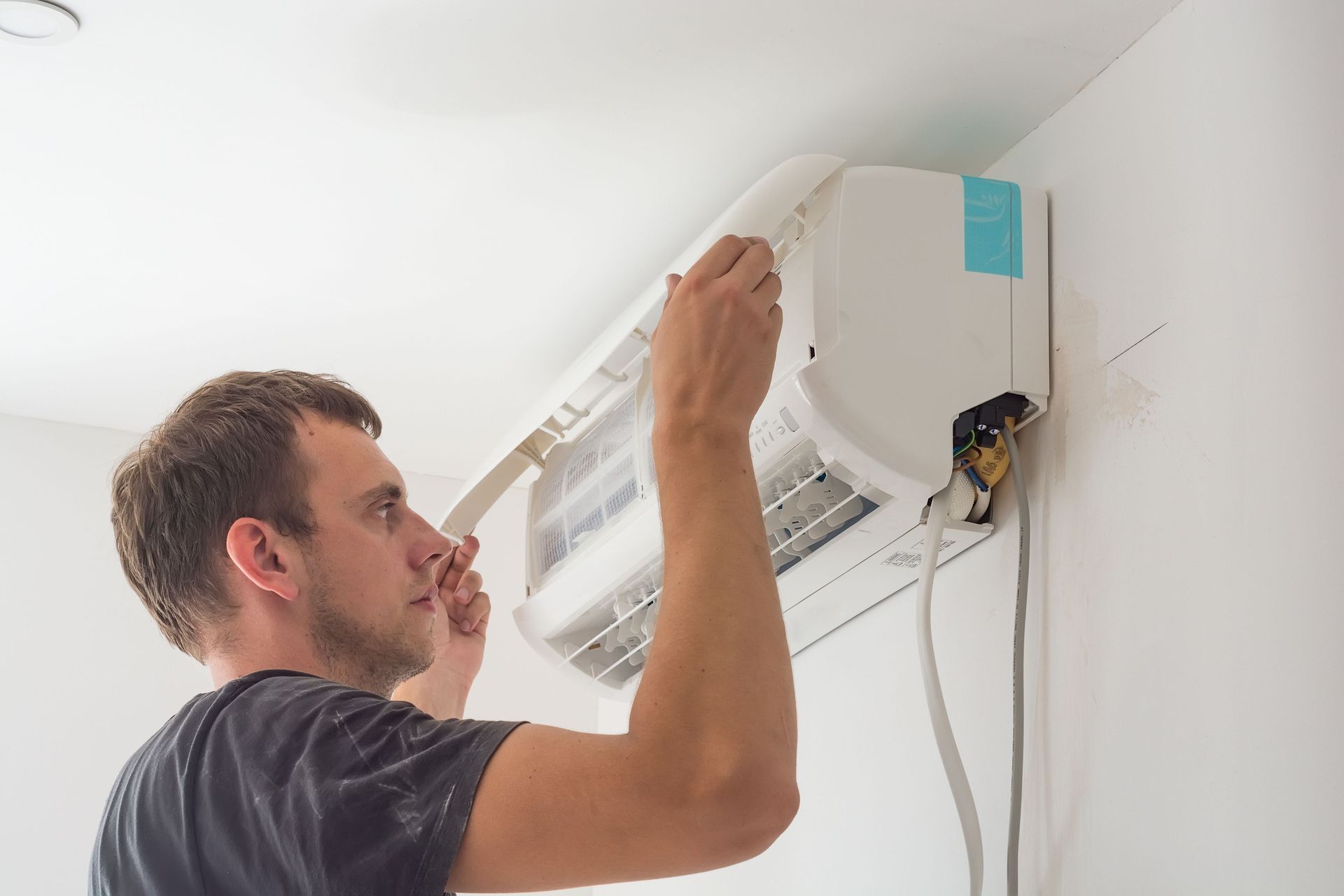
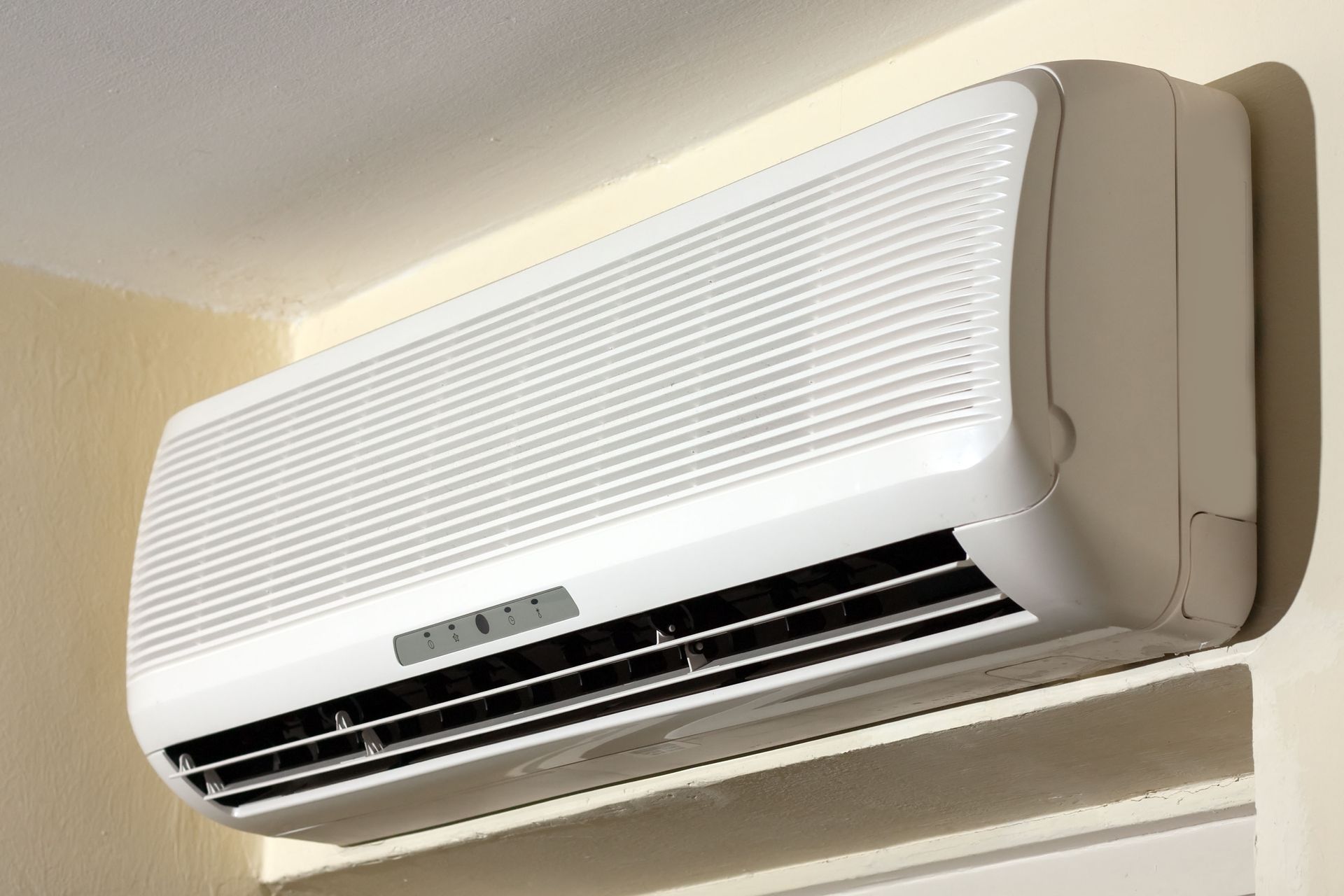
High-pitched squealing or screeching sounds coming from the indoor air handler typically indicate friction within fan blower assemblies. In older belt-driven systems, squealing occurs when the rubber blower belt stretches, frays, or slips out of proper alignment along the motor pulley. Modern direct-drive cooling units lack serpentine belts, meaning high-pitched screeching usually points toward worn motor bearings or an unlubricated fan shaft. Allowing motor bearings to run without adequate lubrication generates extreme friction heat that can permanently burn out the blower motor winding. Scheduling prompt AC repairs when screeching begins allows technicians to replace worn bearings, adjust belt tension, or lubricate moving shafts, restoring whisper-quiet airflow while extending motor operational lifespan.
Evaluating Loud Metal Screeching and Compressor Wear
A harsh metallic grinding or scraping noise is one of the most serious sounds an air conditioning unit can produce, demanding immediate shutdown. This sound generally signifies that internal motor bearings have failed or that fan blades are physically striking surrounding casing walls. In the outdoor condenser housing, loose fan blades can warp out of alignment, gouging the delicate aluminum fins of the condenser coil upon rotation. Inside the compressor housing, metallic grinding indicates severe internal piston or scroll wear caused by low refrigerant oil levels. Requesting immediate AC repairs prevents bent fan blades from puncturing refrigerant lines, saving homeowners from catastrophic system replacement costs.
Addressing Rattling Noise and Loose Internal Components
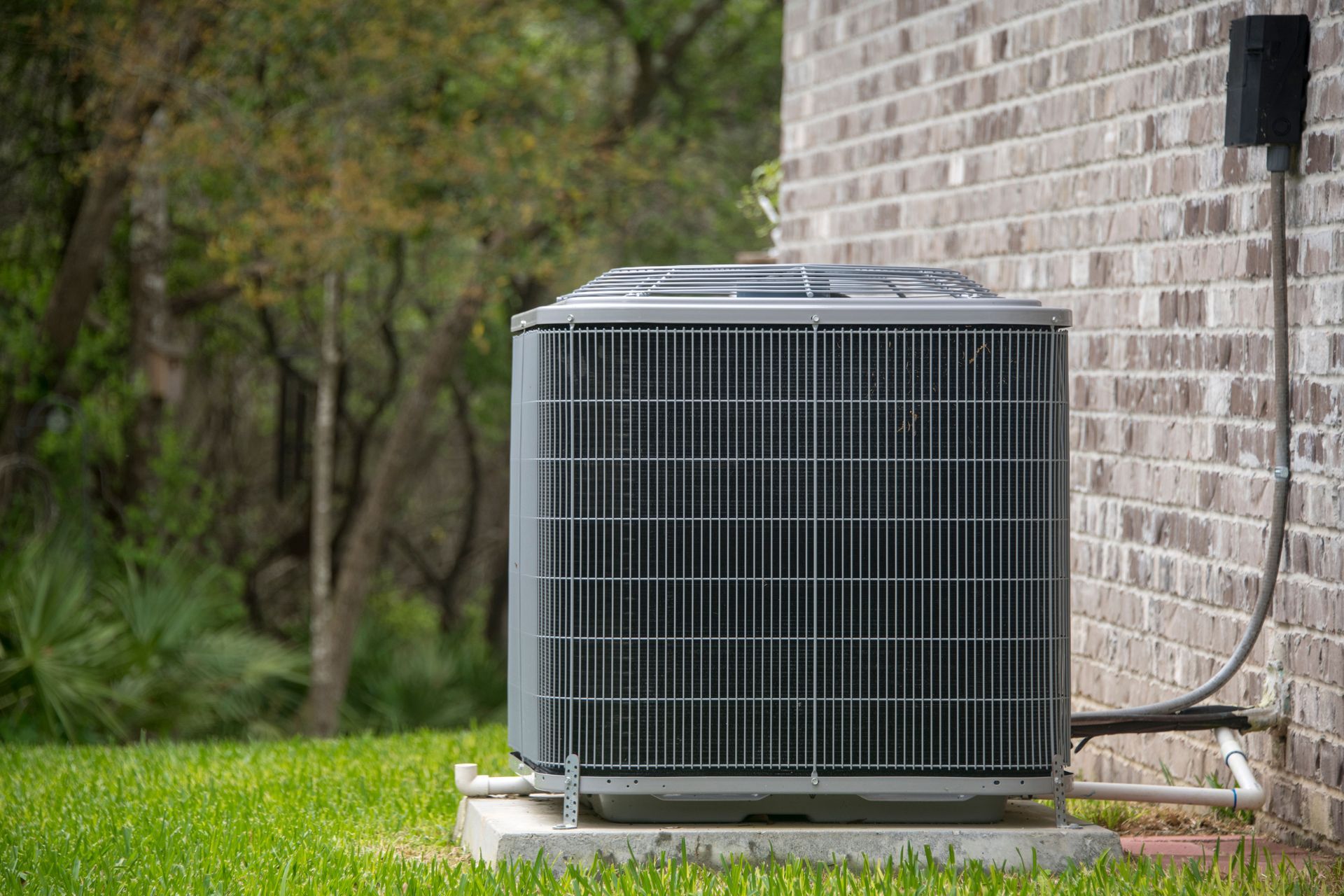
Rattling or banging sounds coming from either the indoor or outdoor unit often point to physical looseness within structural housing assemblies. Over years of continuous operation, physical vibrations can loosen casing screws, motor mount bolts, or internal access panel latches. In other instances, persistent rattling indicates that twigs, pebbles, or garden debris have fallen through the top grille of the outdoor condenser, interfering with fan rotation. Left unaddressed, small loose parts can detach entirely and bounce around moving assemblies, causing severe secondary damage to delicate copper tubing. Contracting qualified technicians to perform comprehensive AC repairs ensures that all mounting hardware is torqued to factory specifications and internal chambers are cleared of foreign debris.
Detecting Ductwork Popping and Airflow Pressure Imbalances
Unusual booming, popping, or banging noises that reverberate through home walls often originate within the sheet metal ductwork rather than the mechanical cooling units. As the air handler forces chilled air through the ventilation network, pressure changes cause thin metal duct walls to expand and contract rapidly, producing loud popping sounds. Blocked return vents, closed interior dampers, or clogged air filters restrict overall airflow, intensifying static duct pressure during active cooling cycles. Scheduling specialized AC repairs allows HVAC technicians to evaluate ductwork design, balance internal static pressure, and seal loose metal joints to eliminate distracting thermal expansion noises. Resolving airflow restriction restores smooth air circulation and reduces unnecessary strain on your system's blower motor.
Recognizing Clicking Sounds and Electrical Failure Symptoms
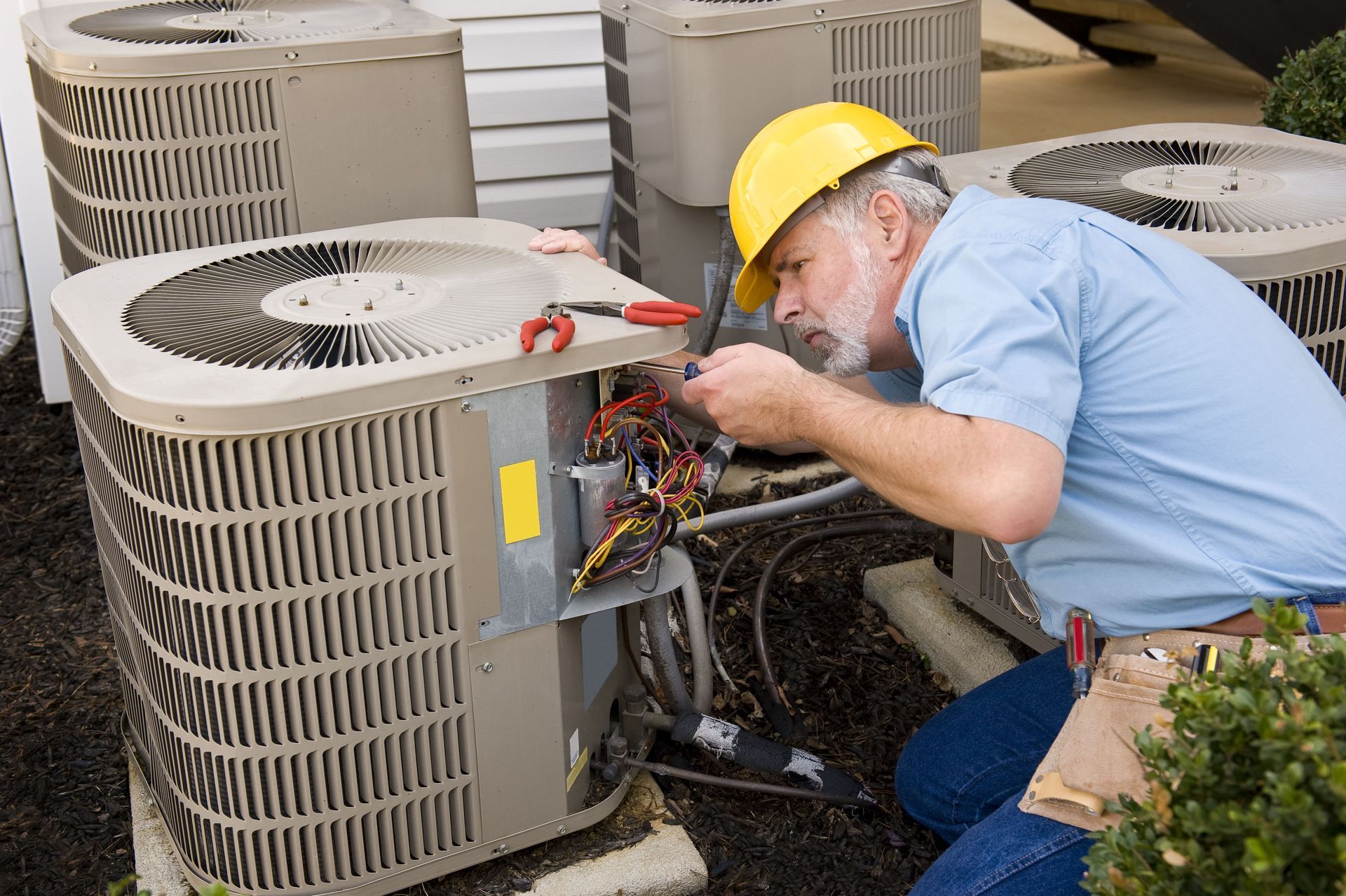
While a soft clicking sound is normal when an air conditioner initiates or terminates a cooling cycle, continuous or rapid clicking from the control panel signifies electrical distress. Rapid clicking during system startup usually points to a failing capacitor, a damaged relay switch, or a malfunctioning thermostat connection. Capacitors store and release electrical energy to jumpstart heavy compressor and fan motors; when they degrade, the system struggles to ignite, resulting in persistent clicking. Continuing to run a unit with failing electrical relays can overload circuit breakers or burn out the main motor windings entirely. Scheduling expert AC repairs resolves faulty electrical controls, ensuring stable voltage delivery and preventing sudden system shutdowns during peak heat periods.
Investigating Hissing Sounds and Refrigerant Leak Hazards
A prominent hissing or whistling sound coming from refrigerant lines or the evaporator coil strongly suggests a pressurized chemical leak. Air conditioning systems rely on a closed chemical loop to absorb interior heat and reject it outdoors; any drop in pressure impairs cooling capacity significantly. Minor pinhole leaks in copper coils create high-pressure whistling, while larger line breaches produce noticeable hissing or bubbling noises. Operating a unit with depleted refrigerant forces the compressor to run continuously without adequate cooling, leading to thermal overload and irreversible pump failure. Professional AC repairs identify leak locations using specialized electronic detectors, seal copper tubing breaches, and restore refrigerant levels to factory guidelines.
Diagnosing Buzzing Noise and Electrical Component Overload
Loud buzzing sounds coming from the outdoor condenser unit often signal electrical short circuits, failing contactor coils, or unbalanced fan motors. A worn contactor switch that can no longer establish clean electrical contact will buzz loudly as high-voltage electricity arcs across pitted metal terminals. In other scenarios, an overloaded compressor motor attempting to draw current while locked mechanically will generate a deep, resonant buzz. Allowing electrical components to buzz risks melting wiring insulation indefinitely, creating potential electrical fire hazards within control boxes. Engaging certified specialists for AC repairs ensures that burned contactors are replaced and electrical connections are secured against voltage fluctuations.
Preventing Catastrophic Failures Through Timely System Restoration
Ignoring unusual air conditioner noises often transforms minor, low-cost maintenance needs into major mechanical disasters. A simple loose fan bolt, if neglected, can detach and destroy expensive condenser coils, turning a brief service call into an emergency unit replacement. Addressing strange sounds immediately preserves overall cooling efficiency, keeps monthly utility bills low, and protects structural property value. Relying on licensed professionals for diagnostic evaluations guarantees that mechanical tolerances are restored and safety controls function reliably. Investing in timely AC repairs provides complete peace of mind, knowing your residential cooling system will deliver dependable indoor comfort throughout the hottest summer months.
Paying close attention to the sounds your air conditioner produces is one of the most effective ways to maintain reliable home comfort and prevent unexpected equipment breakdowns. From high-pitched squealing and metallic grinding to persistent rattling and electrical buzzing, every unusual noise carries valuable diagnostic information about internal system health. Taking proactive steps at the first sign of acoustic distress prevents minor mechanical wear from expanding into widespread electrical or structural damage. Partnering with licensed HVAC technicians ensures that underlying mechanical issues are identified accurately and corrected using commercial-grade diagnostic tools. Prioritizing early intervention protects your financial investment, optimizes seasonal energy efficiency, and keeps your household cool and comfortable all year long. Contact Accurate Heating & Cooling today to schedule your system inspection and eliminate unsettling AC noises with reliable, professional repair services!