September 28, 2026
Maintaining a comfortable indoor environment is a top priority for homeowners and business managers alike. Heating, ventilation, and air conditioning (HVAC) systems work quietly behind the scenes to preserve indoor air quality, regulate temperatures, and shield your living space from extreme weather conditions outside. However, because these complex machinery units operate mostly out of sight, they are frequently taken for granted until a sudden breakdown leaves a home freezing in January or stifling in July.
Seasonal HVAC maintenance is far more than a simple operational check or a quick clean of visible components; it is a critical investment in your home's infrastructure. By establishing a proactive care routine, you can protect your financial investment, maintain high efficiency, and ensure year-round comfort. According to Homes and Gardens, HVAC systems should ideally be serviced two times per year: once before summer and once before winter. Understanding the full scope of why this routine attention is so vital can help you optimize your home's heating and cooling performance while avoiding costly headaches down the road.
1. Maximizing Energy Efficiency and Reducing Utility Bills
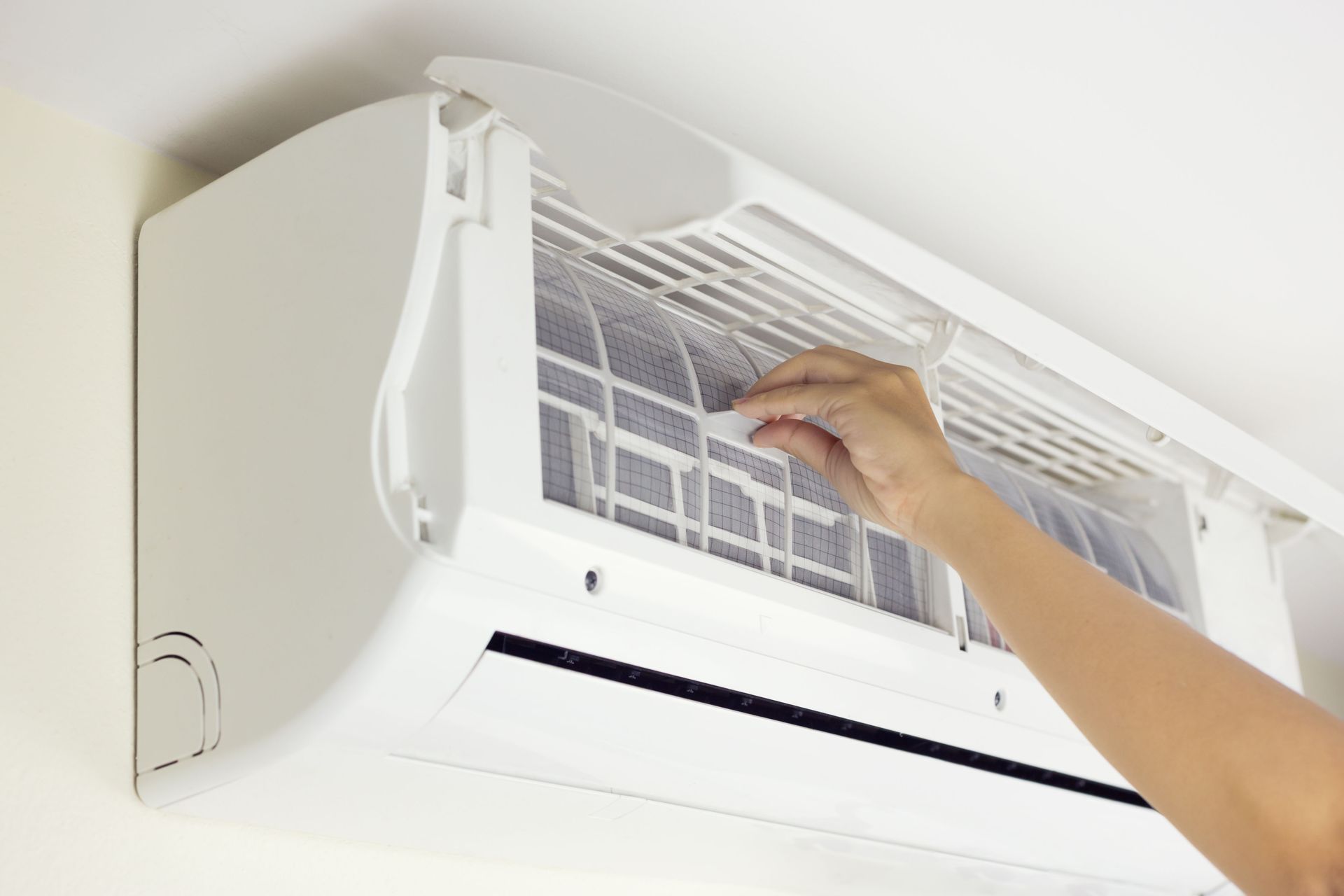
An HVAC system is typically the largest energy consumer in a residence. As heating and cooling equipment runs month after month, dust, dirt, pollen, and general debris accumulate on crucial components like air filters, evaporator coils, and blower motors. This buildup creates friction and restricts airflow, forcing the system to work significantly harder and run longer to achieve the temperature set on your thermostat.
When your system is forced to overwork, energy consumption surges dramatically. During a seasonal maintenance check, a trained technician thoroughly cleans and tunes every component, calibrates thermostats, and inspects mechanical parts for friction. Clearing away dust and restoring unrestricted airflow allows the heating and cooling process to operate at peak thermodynamic efficiency. Over time, the energy savings generated by a well-maintained system can offset a substantial portion of the maintenance costs themselves, keeping monthly power bills predictable and manageable.
2. Preventing Unplanned, Expensive System Breakdowns
There is never a convenient time for a heating and cooling breakdown, but equipment failure almost always occurs during periods of peak stress, which include the hottest days of summer or the coldest nights of winter. Emergency service calls during extreme weather events often come with premium labor rates, long wait times, and high stress levels for household occupants.
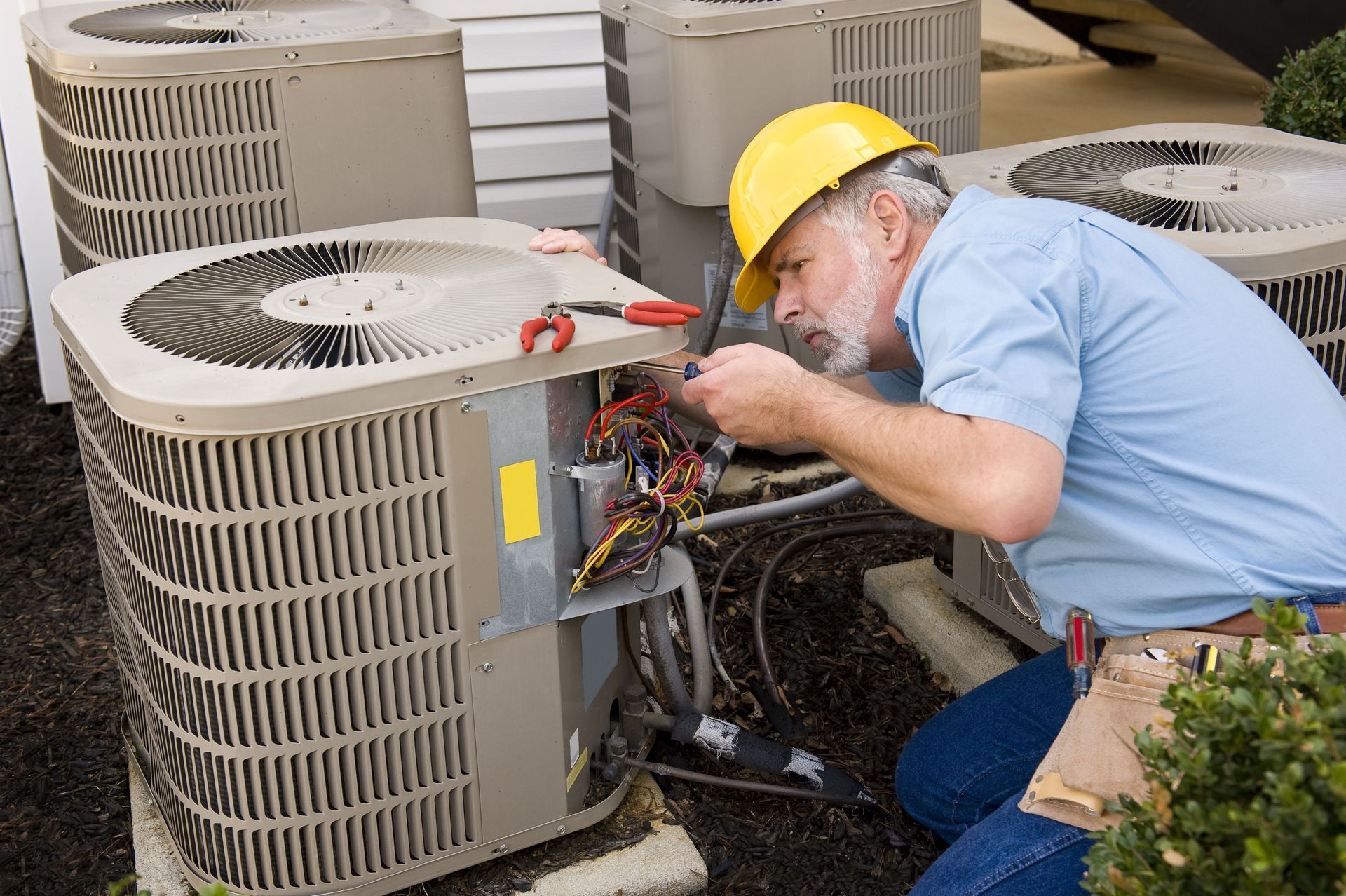
Seasonal maintenance serves as an early-warning diagnostic tool. During a routine check, technicians inspect belts for fraying, test capacitors for proper electrical load, examine heat exchangers for cracks, and check electrical connections for signs of dangerous wear. Identifying and replacing a worn belt or a failing capacitor during a scheduled autumn check prevents that minor flaw from causing a catastrophic motor burnout mid-winter. Proactive repairs keep heating and cooling equipment running dependably when you need it most.
3. Extending the Operational Lifespan of Your Equipment
Installing a modern, high-efficiency heating and cooling system represents a major capital improvement for any property. Like a motor vehicle, an HVAC system relies on intricate moving parts, high electrical current, liquid refrigerants, and intense thermal cycles. Expecting these components to operate indefinitely without regular lubrication, tightening, and cleaning is unrealistic.
Neglecting basic maintenance leads to premature wear across critical assemblies, including the compressor, fan motors, and heat exchanger. We've found that overworking these costly components accelerates structural wear and degrades total system health, often cutting expected service life from 15 to 20 years down to eight to 10 years. By investing in systematic seasonal maintenance, you preserve individual component integrity, balance mechanical stresses evenly, and ensure you extract maximum operating longevity from a heating and cooling investment.
4. Safeguarding Indoor Air Quality and Family Health
Modern homes are sealed tightly to prevent thermal leakage and conserve energy. While excellent for insulation, tight seals mean that air recirculates continuously throughout the living space. If a heating and cooling system contains dirty ductwork, clogged filters, or mold growth within condensate pans, it acts as a distribution system for airborne contaminants.
Dust mites, pet dander, mold spores, pollen, and bacterial contaminants accumulate within neglected HVAC systems. During seasonal service, technicians inspect and clean condensate drains to prevent standing water and mold development, evaluate filter performance, and assess general system cleanliness. Maintaining clean internal mechanics drastically improves indoor air quality, alleviating allergy symptoms, reducing asthma triggers, and fostering a healthier indoor environment for your family.
5. Protecting Home Safety and Preventing Carbon Monoxide Hazards
While system efficiency and reliability are paramount, safety remains the most critical reason for biannual system checks. Heating equipment that utilizes natural gas, propane, or fuel oil relies on controlled combustion to produce warmth. If these fuel-burning systems suffer mechanical wear, improper burner alignment, or structural damage, they can present serious hazards to household occupants.
A cracked heat exchanger in a gas furnace, for example, can leak dangerous carbon monoxide, which is an odorless, colorless, and toxic gas, directly into the home's circulating air. Furthermore, loose electrical wiring or failing capacitors in electric heating and cooling systems pose significant electrical fire risks. Professional seasonal inspections include rigorous safety checks: testing safety shut-off controls, measuring fuel combustion efficiency, evaluating electrical connections, and testing heat exchanger integrity to ensure your home remains safe throughout every season.
6. Preserving Manufacturer Warranty Requirements
Many homeowners are unaware that major HVAC equipment manufacturers include strict conditions within their warranty coverage terms. To maintain valid warranty protection on compressors, heat exchangers, and major mechanical assemblies, manufacturers typically require proof of regular professional service.
If a major component fails prematurely and you attempt to file a warranty claim, the manufacturer may request detailed service documentation covering past years. If you cannot prove that the equipment received annual or biannual attention from a certified professional, the claim may be denied, leaving you fully responsible for expensive replacement parts and labor costs. Maintaining an organized record of seasonal heating and cooling maintenance acts as an insurance policy, preserving your warranty rights should a major component require replacement.
7. Maintaining Consistent Year-Round Thermal Comfort
Beyond financial and technical considerations, routine maintenance translates directly to everyday home comfort. A struggling, neglected system often develops performance issues long before it breaks down completely. You might notice inconsistent temperatures between rooms, persistent high humidity in summer, weak airflow from supply registers, or annoying operational noises like squeaking or rattling.
Seasonal tune-ups address the minor imbalances that cause these comfort disruptions. Technicians balance airflow, verify refrigerant charge levels, calibrate control systems, and ensure that air distribution remains smooth and consistent across every zone in your residence. When heating and cooling equipment functions smoothly, every room maintains a steady, comfortable climate regardless of outside weather conditions.
Proactive seasonal care is the foundation of a safe, efficient, and long-lasting home environment. Rather than viewing HVAC maintenance as an optional expense, forward-thinking property owners understand it as a vital protective measure that delivers immediate and long-term dividends. From lowering monthly utility bills and guarding against sudden breakdowns to improving indoor air quality and extending equipment lifespan, routine checkups pay for themselves many times over.
By scheduling service appointments once in spring for your air conditioning and once in autumn for your furnace or heat pump, you ensure that your home remains prepared for whatever temperature extremes nature brings. Prioritizing your heating and cooling system today with the help of Accurate Heating & Cooling guarantees reliable performance, peace of mind, and optimal thermal comfort for years to come. Reach out to us today to get started!