August 28, 2026
An efficient air conditioner keeps indoor temperatures comfortable without consuming unnecessary electricity. Efficiency depends on equipment condition, household airflow, thermostat settings, and the heat entering the living space. Ignoring these factors can cause longer cooling cycles, uneven temperatures, rising utility bills, and premature wear. Consistent upkeep may also reduce the likelihood of a breakdown and urgent AC repair during hot weather. Homeowners do not need to dismantle equipment to support performance; routine observations, appropriate filter care, sensible temperature management, and professional service can help the system operate reliably.
Schedule Regular Professional Maintenance
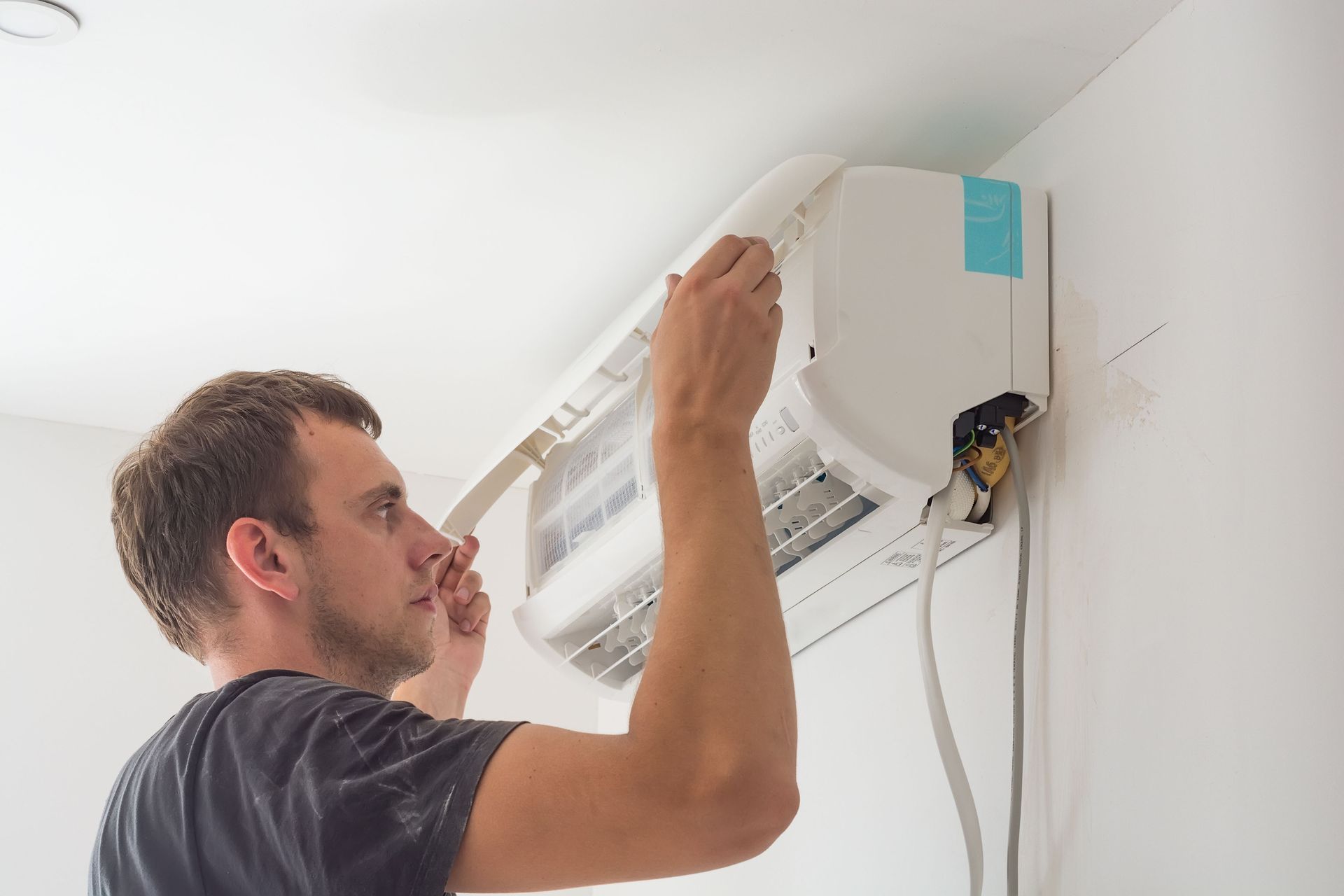
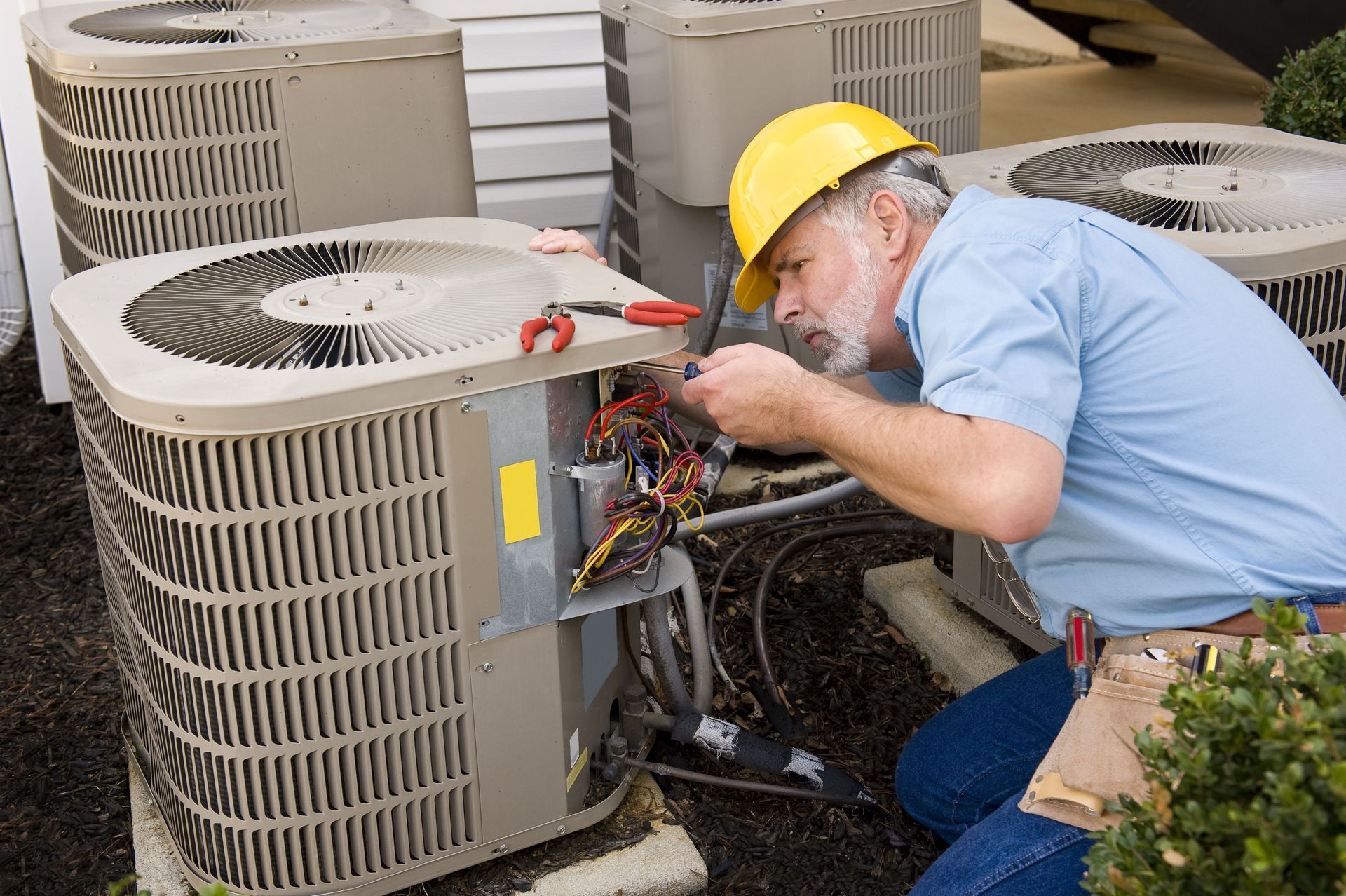
Professional maintenance can identify developing problems before cooling demand reaches its seasonal peak. During a visit, a qualified technician can inspect electrical components, test operation, examine the condensate drain, assess refrigerant performance, and clean components when needed. Refrigerant circuits and electrical connections require proper training and should not be treated as homeowner tasks. Technicians who provide maintenance and AC repair can also compare performance with manufacturer specifications. Scheduling service before summer allows time to address worn parts, drainage concerns, or other defects before the equipment must run for extended periods.
Maintenance should reflect the system's age, design, usage, and manufacturer recommendations rather than a single schedule for every household. A year-round heat pump may need different attention than equipment used only for summer cooling. Homeowners can support service by noting unusual sounds, odors, cycling patterns, or rooms that no longer cool evenly. Keeping records also makes recurring concerns easier to recognize. Preventive attention cannot stop every failure, but it can reveal declining performance early and help preserve the equipment's safety, reliability, and useful life.
Keep the Air Filter Appropriate and Clean
A clogged filter restricts airflow, forcing the blower to work against greater resistance and limiting cooled-air circulation. Warning signs include weak vent airflow, longer cycles, visible filter dust, and rooms that struggle to reach the thermostat setting. Filters should be inspected regularly and replaced or cleaned according to the equipment instructions. Households with pets, renovation dust, smoke, or heavy system use may need more frequent attention. Writing the replacement date on the frame or setting a reminder can make this simple task easier to maintain.
The correct filter is not necessarily the one with the highest efficiency rating. A dense product that the system cannot accommodate may restrict airflow and reduce performance. Homeowners should confirm the required dimensions, installation direction, and acceptable filtration range in the equipment manual or with a technician. Some systems support enhanced filtration, while others need modifications before using a higher-rated product. The goal is to balance particle capture with adequate airflow. A correctly sized, appropriate filter helps protect internal components, support circulation, and avoid unnecessary blower strain.
Protect Airflow Inside and Outside the Home
Supply and return vents need room to move air. Furniture, rugs, curtains, boxes, or dust buildup can interfere with circulation and create uneven cooling. Vents should remain open unless the system was designed for another arrangement, because closing several registers may increase duct pressure. Interior doors can also affect circulation when rooms lack sufficient return-air pathways. If rooms remain much warmer than others, the cause may involve duct leakage, inadequate returns, insulation, or system design. A professional assessment can identify the source instead of relying on repeated thermostat adjustments.
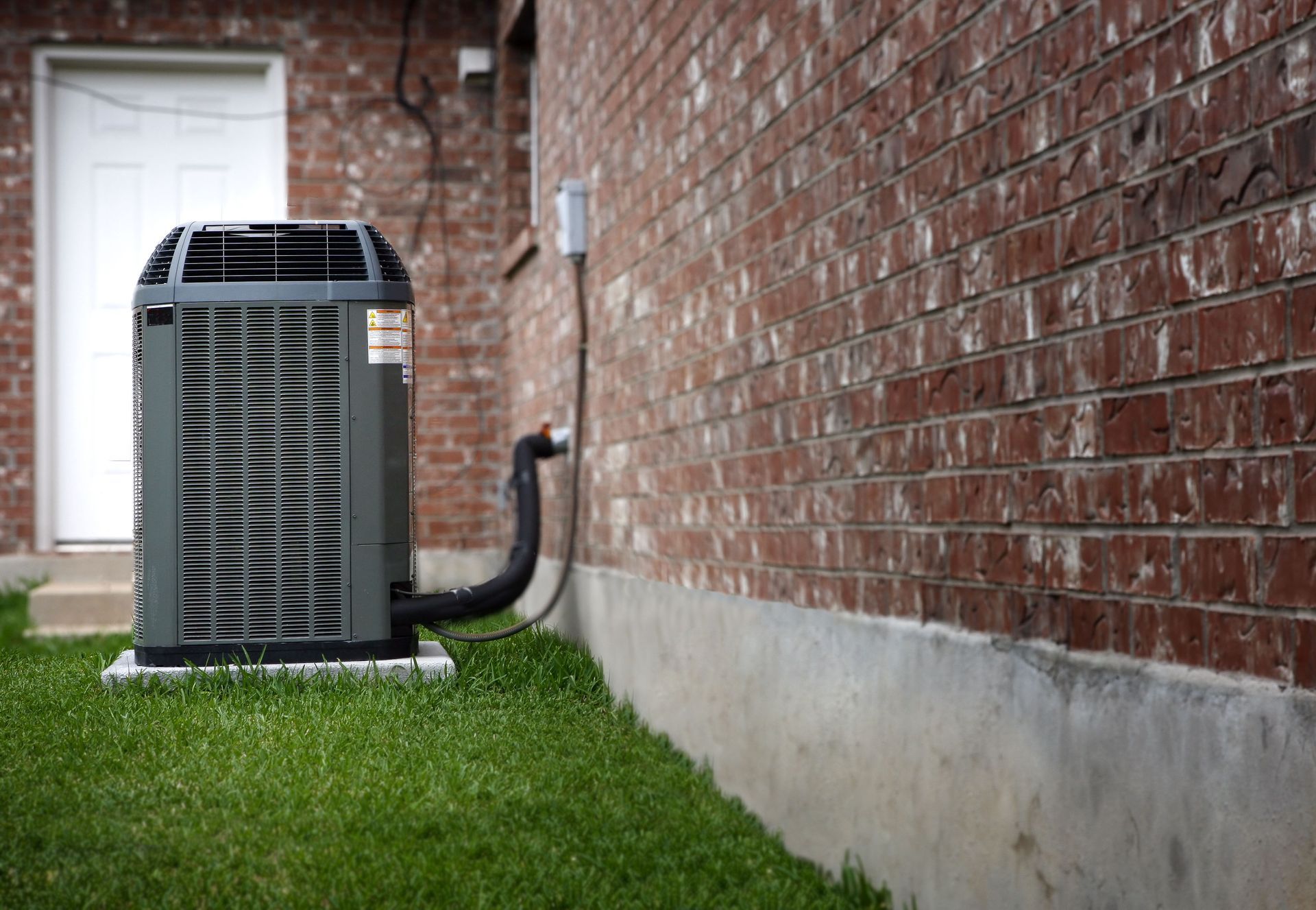
The outdoor unit needs adequate airflow to release heat. Leaves, grass clippings, vegetation, and stored items should not crowd the cabinet, and landscaping should follow manufacturer clearance guidance. Homeowners can monitor the area without opening panels or touching electrical parts. Indoors, visible duct damage or persistent temperature differences deserve attention. Correcting a blocked vent or obstruction may restore airflow, but continuing problems may require AC repair or duct evaluation. Addressing the cause prevents the system from running longer to compensate for air that is not reaching the intended rooms.
Use the Thermostat Strategically
Thermostat settings influence comfort and operating time. A moderate, consistent setting places less demand on the system than repeatedly choosing an unusually low temperature. Lowering the setting dramatically does not make most air conditioners cool faster; it encourages them to run longer. Programmable and smart thermostats can adjust temperatures around work, sleep, and travel so the system does not cool an empty home as aggressively. Schedules should still account for people, pets, humidity, and health needs. Small adjustments are more practical than changes that create discomfort or excessive moisture.
Thermostat location and condition also matter. Direct sunlight, nearby appliances, drafts, or heat sources can produce readings that do not represent the home. Weak batteries, incorrect programming, or communication problems may cause erratic operation. Homeowners can verify the setting and schedule, but wiring or control failures require professional evaluation. If the system cycles rapidly, runs constantly, or does not respond to ordinary settings, an AC repair assessment can determine whether the thermostat, equipment, or another component is responsible.
Reduce the Home's Cooling Load
Every source of indoor heat adds to the air conditioner's workload. Closing blinds or curtains during the sunniest hours can reduce solar heat gain, particularly at west- and south-facing windows. Using heat-producing appliances during cooler periods may also help. Ceiling fans improve comfort by moving air across occupants, allowing some households to use a slightly higher thermostat setting. Fans cool people rather than rooms, so they should be switched off in empty spaces. Sealing gaps around doors and windows can further limit hot outdoor air entering conditioned areas.
Insulation and duct condition have a long-term influence on cooling demand. Inadequate attic insulation, leaky ducts, and air leakage can allow cooled air to escape or heat to enter. High humidity can also make the home feel warmer. A properly operating air conditioner removes some moisture, but persistent humidity may indicate equipment, drainage, sizing, or building-envelope concerns. According to the U.S. Department of Energy, cooling systems account for approximately 12% of the electricity used in American households. Reducing avoidable heat and air loss can therefore support household energy conservation.
Recognize Signs of Declining Performance
Operational changes often warn that the system needs attention. Grinding, buzzing, hissing, or repeated clicking can indicate mechanical, refrigerant, or electrical problems. Water around indoor equipment may point to a blocked drain, frozen coil, damaged pan, or another fault. Burning smells, musty odors, frequent breaker trips, weak airflow, and short cycles should not be ignored. Prompt AC repair can prevent some problems from becoming more extensive, while electrical odors, smoke, or immediate hazards warrant shutting the system off and seeking qualified assistance.
Higher energy bills can signal declining efficiency when weather, utility rates, thermostat settings, and household routines have not changed. Dirty components, duct leakage, refrigerant problems, sensor faults, or worn parts may make the equipment run longer for the same result. Homeowners can check accessible basics such as the filter, thermostat, and blocked vents, but repeated failures require professional diagnosis. Calling for AC repair instead of restarting malfunctioning equipment can protect components and clarify whether repair, adjustment, or eventual replacement is appropriate.
Keeping an air conditioner efficient requires attention to the entire cooling process. Professional maintenance, a suitable clean filter, unobstructed airflow, reasonable thermostat settings, and reduced household heat gain all lessen strain. Homeowners should also monitor changes in sound, moisture, cycling, airflow, odors, and energy use. When warning signs persist, timely AC repair can address the underlying problem before comfort and efficiency decline further. Choose a qualified service like Accurate Heating & Cooling for expert AC repair work.