June 26, 2026
Home comfort systems often go unnoticed until something stops working, which is exactly why maintenance matters more than most homeowners realize. The insights shared by HVAC companies consistently point to one simple truth: regular care is what keeps heating and cooling systems reliable, efficient, and cost-effective over time. When systems are neglected, performance drops, energy bills rise, and small issues can turn into expensive repairs that could have been avoided.
HVAC companies emphasize that maintenance is not just about fixing problems after they appear but about preventing them in the first place. Whether it is the middle of summer or the depths of winter, your system is working hard behind the scenes, and HVAC companies often see firsthand how routine service dramatically extends equipment lifespan while improving comfort levels throughout the home.
Understanding what HVAC companies recommend can help homeowners avoid unnecessary breakdowns and get more consistent performance year-round.
Why Regular Maintenance Is Crucial
One of the most consistent messages from HVAC companies is that routine maintenance is the foundation of system reliability. Heating and cooling systems are made up of multiple interconnected parts, and even minor wear on one component can impact overall performance. When maintenance is skipped, dust buildup, clogged filters, and unnoticed mechanical issues can gradually reduce efficiency without obvious warning signs.
HVAC companies frequently explain that regular inspections help catch small problems early, such as loose electrical connections, refrigerant issues, or airflow restrictions. Addressing these concerns before they escalate can prevent emergency repairs and system failures during peak seasons when HVAC systems are under the most stress.
Another key reason HVAC companies stress maintenance is energy efficiency. A well-maintained system does not have to work as hard to reach desired temperatures, which reduces strain on components and lowers utility costs over time. This is especially important in homes where systems run frequently throughout the year.
Ultimately, HVAC companies agree that consistent upkeep is not optional if homeowners want long-term performance and reliability. It is one of the most effective ways to protect both comfort and investment.
How Often You Should Service Your HVAC System
When it comes to scheduling maintenance, HVAC companies generally recommend servicing systems at least twice a year to keep them operating at peak performance. This seasonal approach ensures that both heating and cooling components are prepared for their heaviest workloads.
According to Homes & Gardens guidance, HVAC systems should ideally be serviced twice per year, once before summer and once before winter, which aligns closely with what HVAC companies advise for preventative care. These seasonal tune-ups allow technicians to prepare air conditioning systems before warm weather arrives and heating systems before colder temperatures set in.
HVAC companies often note that these biannual visits are essential because they address seasonal strain in advance. During a pre-summer inspection, cooling systems are checked for refrigerant levels, airflow efficiency, and coil cleanliness. Before winter, heating systems are evaluated for safe operation, ignition reliability, and heat distribution.
Homeowners who follow this schedule recommended by HVAC companies typically experience fewer breakdowns and more consistent indoor comfort. In contrast, skipping regular servicing often leads to reduced efficiency and unexpected repairs during extreme weather conditions when HVAC systems are needed most.
By maintaining a consistent service schedule, HVAC companies help ensure systems operate smoothly throughout the year while avoiding unnecessary wear and tear.
What Common Signs Mean Your HVAC System Needs Attention
Even with regular maintenance, systems will still show signs when something is not functioning properly. HVAC companies often point out that recognizing these early warning signals can prevent larger and more expensive issues.
One of the most common indicators is inconsistent airflow. If certain rooms feel warmer or colder than others, it may suggest duct issues, clogged filters, or a struggling blower motor. HVAC companies also frequently highlight unusual noises such as rattling, grinding, or hissing as signs that internal components may be wearing out or loosening.
Another warning sign is a sudden increase in energy bills without a corresponding change in usage. HVAC companies explain that this often indicates reduced system efficiency, which can be caused by dirty coils, low refrigerant levels, or failing components that force the system to work harder than necessary.
Unusual odors coming from vents can also signal problems. Musty smells may point to moisture or mold buildup, while burning odors can indicate electrical issues that require immediate attention.
HVAC companies stress that ignoring these signs can lead to more severe system failures. Early diagnosis and repair not only restore comfort but also prevent long-term damage that could shorten system lifespan.
How Maintenance Impacts Energy Efficiency
Energy efficiency is one of the most important benefits emphasized by HVAC companies when discussing routine maintenance. A properly maintained system uses less energy to achieve the same level of heating or cooling, which directly translates into lower utility costs and reduced environmental impact.
When components such as filters, coils, and fans become dirty or worn, airflow is restricted and system performance declines. HVAC companies explain that this forces the system to run longer cycles to reach the desired temperature, increasing both energy consumption and mechanical strain.
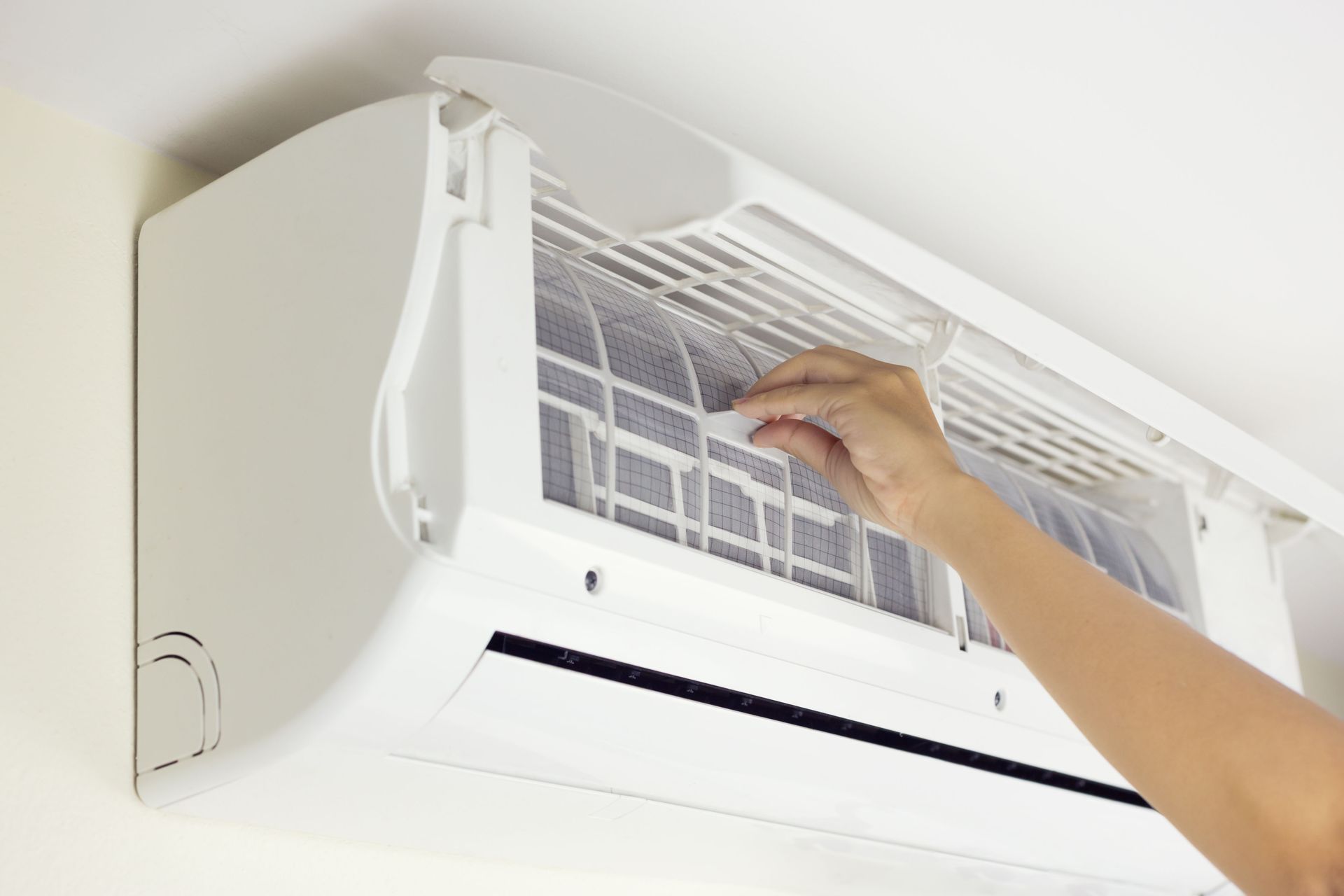
Regular maintenance ensures that airflow remains unobstructed and that all components are operating within optimal parameters. HVAC companies often find that simple tasks like replacing filters or cleaning coils can significantly improve system efficiency.
In addition to mechanical upkeep, HVAC companies also highlight the importance of system calibration. Thermostats that are not properly calibrated can cause systems to run longer than necessary or cycle too frequently, both of which reduce efficiency over time.
By maintaining peak performance, HVAC companies help homeowners reduce wasteful energy use while also extending the lifespan of their equipment. The result is a system that performs better and costs less to operate over time.
HVAC Maintenance Plans and What They Include
Many HVAC companies offer structured maintenance plans designed to simplify system upkeep for homeowners. These plans typically include scheduled inspections, priority service, and discounted repairs, making it easier to stay on top of routine care without having to track service dates manually.
HVAC companies design these plans to provide consistent attention to both heating and cooling systems throughout the year. Regular visits often include filter changes, system cleaning, performance testing, and safety checks to ensure everything is operating correctly.
One of the major advantages HVAC companies highlight with maintenance plans is predictability. Instead of waiting for a breakdown, homeowners receive proactive service that reduces the likelihood of unexpected failures. This proactive approach helps maintain system efficiency and reduces long-term repair costs.
HVAC companies also note that maintenance plan customers often receive faster response times during peak seasons, which can be especially valuable during extreme weather when service demand is high.
Overall, these plans are structured to take the guesswork out of system care, allowing HVAC companies to manage maintenance schedules while homeowners enjoy consistent comfort and peace of mind.
Understanding what HVAC companies emphasize about maintenance reveals a clear pattern: consistent care leads to better performance, improved efficiency, and longer system lifespan. From seasonal servicing schedules to early detection of warning signs, every aspect of maintenance plays a role in keeping heating and cooling systems reliable.
HVAC companies consistently reinforce that preventative care is far more cost-effective than emergency repairs, and following recommended servicing guidelines can make a significant difference in long-term comfort and energy use. As Homes & Gardens notes, servicing your system twice per year before peak heating and cooling seasons aligns with best practices widely supported by HVAC companies.
Ultimately, homeowners who follow the advice of
HVAC companies are better positioned to avoid breakdowns, reduce energy costs, and maintain a comfortable living environment throughout the year. If you're looking for reputable HVAC contractors, reach out to the team at Accurate Heating & Cooling today!